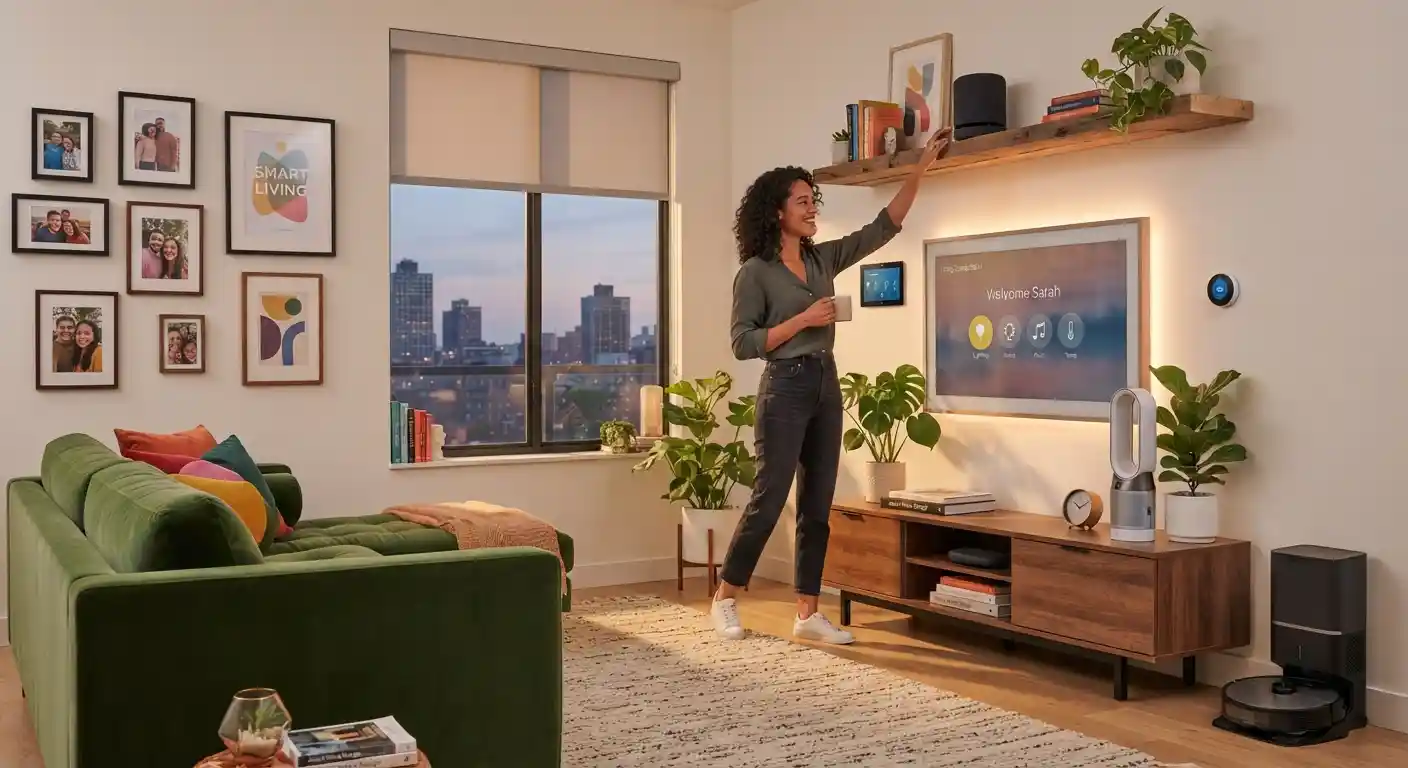
A beautiful home is more than a collection of attractive furniture and decorative accessories. The most successful interiors combine comfort, functionality, personality, and visual balance. Whether you are decorating a new property or refreshing an existing space, thoughtful decisions can make your home feel more welcoming and enjoyable.
Modern home decoration does not require following every new trend. Instead, it is about understanding your space, choosing elements that work together, and creating an environment that reflects the people who live there. From furniture and colors to lighting, textures, and window treatments, every detail can contribute to the final atmosphere.
Understand Your Space Before Decorating
Before purchasing anything, take time to understand the room you are working with. Consider its size, shape, natural light, ceiling height, doors, windows, and existing architectural features.
A large room may accommodate substantial furniture and stronger decorative features, while a smaller space often benefits from lighter colors and carefully selected pieces.
Think about how the room will actually be used. A family living room may need generous seating and practical storage, while a guest room may focus more heavily on comfort and privacy.
Planning around the function of the room creates a stronger foundation for every decorating decision that follows.

Choose a Consistent Style
A personalized home does not need to follow one strict interior design style, but some level of consistency helps the rooms feel connected.
Modern, minimalist, traditional, contemporary, rustic, and transitional styles can all create beautiful interiors. You can also combine elements from different styles as long as there is a common thread connecting them.
This connection might come from a repeated color palette, similar wood tones, matching metal finishes, or complementary fabrics.
Rather than purchasing individual items simply because they look attractive, consider how each piece will interact with the furniture and decoration already present.
Build a Practical Color Palette
Color is one of the easiest ways to change the character of a room. A carefully selected palette can make an interior feel brighter, warmer, calmer, or more sophisticated.
Neutral shades such as cream, beige, white, taupe, and soft grey provide flexible foundations. Stronger colors can then be introduced through cushions, artwork, rugs, curtains, and decorative accessories.
If you prefer a more colorful interior, choose shades that complement each other rather than using many unrelated colors.
The goal is to create balance. Too many strong shades can make a room feel busy, while a completely neutral space may need texture and contrast to maintain visual interest.
Give Window Treatments More Attention
Windows play an important role in both the appearance and comfort of a home. They influence natural light, privacy, temperature, and the overall feeling of a room.
Window treatments should therefore be considered an important part of the decoration rather than an afterthought. The right curtains can frame a window, add softness, and connect different elements of the room.
For homeowners looking for practical and decorative window solutions, Kurtains offers options that can complement different interior styles and requirements.
The fabric, color, length, and placement of curtains can all influence how large and polished a room appears. Full-length treatments can emphasize ceiling height, while lighter fabrics can help maintain an airy atmosphere.
Use Lighting in Layers
Lighting can completely transform the appearance of a room. A well-designed interior should ideally include more than one source of light.
Ceiling fixtures can provide general illumination, while floor lamps and table lamps create softer areas of light. Accent lighting can be used to highlight artwork, shelves, architectural details, or decorative objects.
The temperature of the lighting also affects the mood. Warm lighting tends to create a relaxing atmosphere, while brighter and cooler illumination can be useful for work areas and tasks requiring concentration.
Natural daylight should also be considered when planning lighting. A room that receives plenty of sunlight during the day may require a different approach from a darker interior.
Combine Different Textures
Texture adds depth and character to a room. This is particularly important when using neutral colors because different materials prevent the interior from looking flat.
Wood, woven materials, glass, metal, stone, linen, cotton, leather, and soft fabrics can all be combined thoughtfully.
For example, a wooden coffee table can be paired with a soft rug, textured cushions, and fabric seating. These contrasting materials create visual interest without requiring bold colors.
Texture also contributes to comfort. Soft throws, cushions, rugs, and upholstered furniture can make a room feel warmer and more inviting.
Select Furniture Based on Your Lifestyle
Furniture should support the way you actually live. A beautiful sofa is not a successful choice if it is uncomfortable or unsuitable for the household.
Consider the number of people who regularly use the room, whether children or pets are present, how frequently guests visit, and how much storage is required.
The size of furniture is equally important. Measure the available space before making major purchases and make sure there is enough room for doors, walking paths, and other activities.
Well-proportioned furniture creates a more balanced interior and makes everyday movement easier.
Create a Strong Focal Point
A room often benefits from having one main feature that naturally attracts attention. This could be a large window, fireplace, artwork, statement sofa, feature wall, or carefully styled furniture arrangement.
Once the focal point has been established, other elements should support it rather than compete for attention.
For example, a large artwork piece can become the central feature of a living room, while surrounding furniture and accessories provide balance.
A focal point does not need to be expensive. Even a simple arrangement can become visually powerful when it is positioned and illuminated correctly.
Make Storage Part of the Decoration
Storage is essential for maintaining an attractive home. Clutter can quickly make even a well-designed room feel disorganized.
Instead of treating storage as something separate from decoration, choose pieces that contribute to the overall style. Sideboards, shelving, cabinets, baskets, storage benches, and decorative boxes can all provide practical solutions.
Open shelving is useful for displaying books, plants, photographs, and artwork. Closed storage is better for items that need to remain organized but do not need to be visible.
Keeping everyday belongings under control helps the room maintain a clean and intentional appearance.
Add Personal Accessories
Personal details are what make a house feel like a home. Photographs, books, artwork, travel memories, handmade objects, and meaningful gifts can all introduce personality.
The key is to avoid displaying everything at once. Select items that genuinely matter to you and arrange them thoughtfully.
Personal accessories can also provide color and texture. A collection of books can add warmth, while artwork can introduce a stronger accent color.
The result should feel authentic rather than perfectly staged.
Bring Nature Indoors
Natural elements can make modern interiors feel calmer and more comfortable. Indoor plants, flowers, wooden accessories, woven baskets, stone, and natural fabrics can all contribute.
Plants are especially useful because they add color and organic shapes. A large plant can fill an empty corner, while smaller plants can be placed on shelves and side tables.
Natural materials also work well with neutral color palettes and contemporary furniture, creating a balanced combination of modern and organic elements.
Use Mirrors Strategically
Mirrors can serve both decorative and practical purposes. They reflect light and can make a room appear brighter and more spacious.
In smaller rooms, a strategically positioned mirror can create the impression of additional depth. In larger interiors, decorative mirrors can become statement features.
Consider placing mirrors where they reflect attractive parts of the room or available daylight rather than cluttered areas.
The frame should also complement the rest of the interior. Wooden frames can introduce warmth, while simple metal frames may suit contemporary spaces.
Think About Curtain Placement
Curtain placement can have a significant effect on the proportions of a room. Hanging curtains close to the ceiling can emphasize vertical space and make windows appear taller.
Full-length curtains can also create a more elegant appearance than treatments that stop immediately at the bottom of the window.
The width is important as well. Curtains should have enough fabric to create natural folds when closed rather than appearing stretched across the window.
When selecting window treatments, consider the room’s existing furniture, wall colors, flooring, and lighting so that the final result feels cohesive.
Avoid Following Trends Too Closely
Interior trends can provide inspiration, but designing an entire home around a temporary trend may lead to unnecessary changes later.
Instead, use timeless furniture and finishes as the foundation and introduce current trends through smaller, easily replaceable details.
Cushions, artwork, decorative objects, rugs, and smaller accessories can be changed more easily than major furniture or flooring.
This approach allows the interior to feel current without sacrificing long-term practicality.
Create Comfortable Social Areas
Rooms should encourage people to use them. In a living room, furniture should ideally support conversation and relaxation rather than simply looking attractive.
Arrange seating so that people can comfortably interact. A coffee table can create a central point, while side tables provide convenient surfaces for drinks, books, and lamps.
Lighting should also support the social atmosphere. Softer lamps can create a more relaxed environment during evenings, while natural daylight can keep the room bright during the day.
Make the Bedroom Relaxing
Bedrooms should prioritize comfort and calm. Soft colors, comfortable bedding, layered textures, and controlled lighting can help create a peaceful atmosphere.
Window treatments are particularly important because they influence both privacy and daylight. Curtains that coordinate with the bedding and wall colors can help create a more cohesive design.
Avoid excessive decoration in the bedroom. A simple arrangement with carefully selected accessories can feel more relaxing than a room filled with visual distractions.
Refresh Your Interior Gradually
You do not need to redesign your entire home to give it a fresh appearance. Small changes can have a surprisingly strong effect.
Replacing cushions, updating artwork, adding plants, changing lamps, rearranging furniture, or introducing new curtains can alter the atmosphere without major expense.
Seasonal changes can also be incorporated through fabrics and accessories. Lighter materials and brighter accents can create a fresh feeling, while deeper tones and heavier textures can make the interior feel warmer.
Choose Quality Over Quantity
A personalized interior does not need to contain hundreds of decorative objects. In many cases, fewer high-quality pieces create a stronger impression.
Choose furniture that is comfortable and durable, fabrics that suit your lifestyle, and accessories that have a clear purpose or personal meaning.
Quality does not always mean choosing the most expensive option. It means selecting items that are suitable, practical, well-proportioned, and likely to remain useful over time.
Keep the Design Flexible
A home changes as lifestyles change. Furniture may need to be rearranged, rooms may develop new purposes, and family needs can evolve.
Flexible decoration makes these changes easier. Movable furniture, adaptable lighting, versatile storage, and practical window treatments allow rooms to be modified without requiring a complete redesign.
This flexibility is particularly useful in multi-purpose spaces that may function as living rooms, work areas, entertainment spaces, or guest areas.
Create a Home That Reflects You
The most important principle of home decoration is that the finished space should feel personal. Trends, magazines, and social media can provide inspiration, but your home should ultimately support your lifestyle and preferences.
Think about the colors you enjoy, the furniture you find comfortable, the materials you like to touch and see, and the way you use each room.
When these preferences are combined with thoughtful planning, the result can be an interior that feels authentic and welcoming.
Final Thoughts
Creating a beautiful and personalized home does not require complicated design rules. A balanced color palette, comfortable furniture, layered lighting, natural textures, useful storage, and carefully selected accessories can provide a strong foundation.
Window treatments should also be considered carefully because they influence light, privacy, proportions, and atmosphere. Choosing suitable options from Kurtains can help complete the look while supporting the practical needs of different rooms.
The best interiors are those that combine style with everyday functionality. By decorating gradually, choosing quality pieces, incorporating personal details, and keeping the design flexible, homeowners can create spaces that remain comfortable, attractive, and genuinely their own.
Related Reading: How to Fix Refrigerator That Keeps Cycling On/Off
Related Reading: The Brain on Board: Exploring the Hardware Requirements for AI-Powered FPV Drones