Introduction
Living in the United Arab Emirates offers an incredible lifestyle, but it also comes with unique environmental challenges. One of the most severe natural phenomena residents face is the seasonal sandstorm. When thick clouds of dust, sand, and fine particulate matter roll across cities like Dubai, Abu Dhabi, and Sharjah, the air quality plummets dramatically. While humans can easily stay indoors, lock their windows, and wear masks, our beloved companion animals depend entirely on us for their safety. Knowing How to Protect Pets During UAE Sandstorms: Respiratory Care Guide is crucial for every pet parent living in the region. Dust storms carry microscopic irritants, allergens, and pollutants deep into the respiratory tracts of dogs, cats, birds, and small mammals. Without proper precautions, these severe weather events can trigger acute respiratory distress, chronic asthma attacks, and severe eye infections. This comprehensive guide will walk you through everything you need to know about safeguarding your furry friends when the weather turns hazy, ensuring their lungs remain healthy and clear all year round.
Understanding the Impact of UAE Sandstorms on Pet Health
Sandstorms in the UAE are powerful weather events that sweep up tons of desert sand, industrial pollutants, and microscopic fungal spores into the atmosphere. When your pet inhales this polluted air, the tiny particles bypass the natural filtering mechanisms in their nose and settle deep within their bronchial tubes and lungs. This particulate matter causes immediate irritation to the delicate mucosal linings of the respiratory system. Brachycephalic breeds, such as Persian cats, Pugs, Bulldogs, and Boxers, are exceptionally vulnerable because their anatomical structure already makes breathing difficult. Furthermore, older pets and those with pre-existing heart or lung conditions face severe health risks during high dust pollution days. Even healthy animals can experience sudden coughing, sneezing, watery eyes, and lethargy after exposure to heavy outdoor dust. Understanding these risks allows you to take proactive measures before a severe weather warning is even issued. By recognizing the early warning signs of respiratory discomfort, you can prevent minor irritation from escalating into a dangerous veterinary emergency.
Immediate Indoor Safety Measures During Dust Storms
The single most effective way to protect your pets during a UAE sandstorm is to keep them strictly indoors. The moment weather reports forecast hazy skies and high winds, close all windows, balcony doors, and ventilation shafts tightly. Dust can easily seep through tiny cracks, so sealing vulnerable entry points helps maintain a cleaner indoor environment. Turning on your air conditioning units is essential, but you must ensure that your AC filters are clean and recently serviced. High-efficiency particulate air, commonly known as HEPA filters, work wonders by trapping microscopic dust particles, pollen, and dander circulating in your home. If you do not have a central air purification system, investing in a portable HEPA air purifier for the rooms where your pets spend the most time is a wise choice. Keep indoor humidity levels balanced, as extremely dry air combined with floating dust can exacerbate coughing and throat irritation. Providing a calm, air-conditioned sanctuary helps lower your pet’s stress levels, which in turn keeps their breathing rate steady and relaxed.
Modifying Exercise and Outdoor Routines
When a heavy sandstorm hits the UAE, your normal daily dog-walking routine must be put on hold immediately. Even if the wind appears to have calmed down slightly, the air quality index can remain dangerously hazardous for hours or even days after the storm passes. Instead of taking your dog outside for long walks, switch to indoor games and mental stimulation exercises to keep them active. Puzzle toys, indoor fetch, hide-and-seek games, and obedience training sessions will help burn off their pent-up physical energy safely. If your dog absolutely must relieve themselves outdoors, keep the bathroom break strictly brief and close to home. Avoid letting them sniff the ground aggressively, as concentrated piles of dust and debris settle heavily on sidewalks and grass patches. As soon as you bring your pet back inside, take a damp cloth and gently wipe down their paws, face, coat, and muzzle. This simple hygiene routine prevents them from licking residual sand and pollutants off their fur during their regular grooming sessions.
Recognizing Respiratory Distress Symptoms in Pets
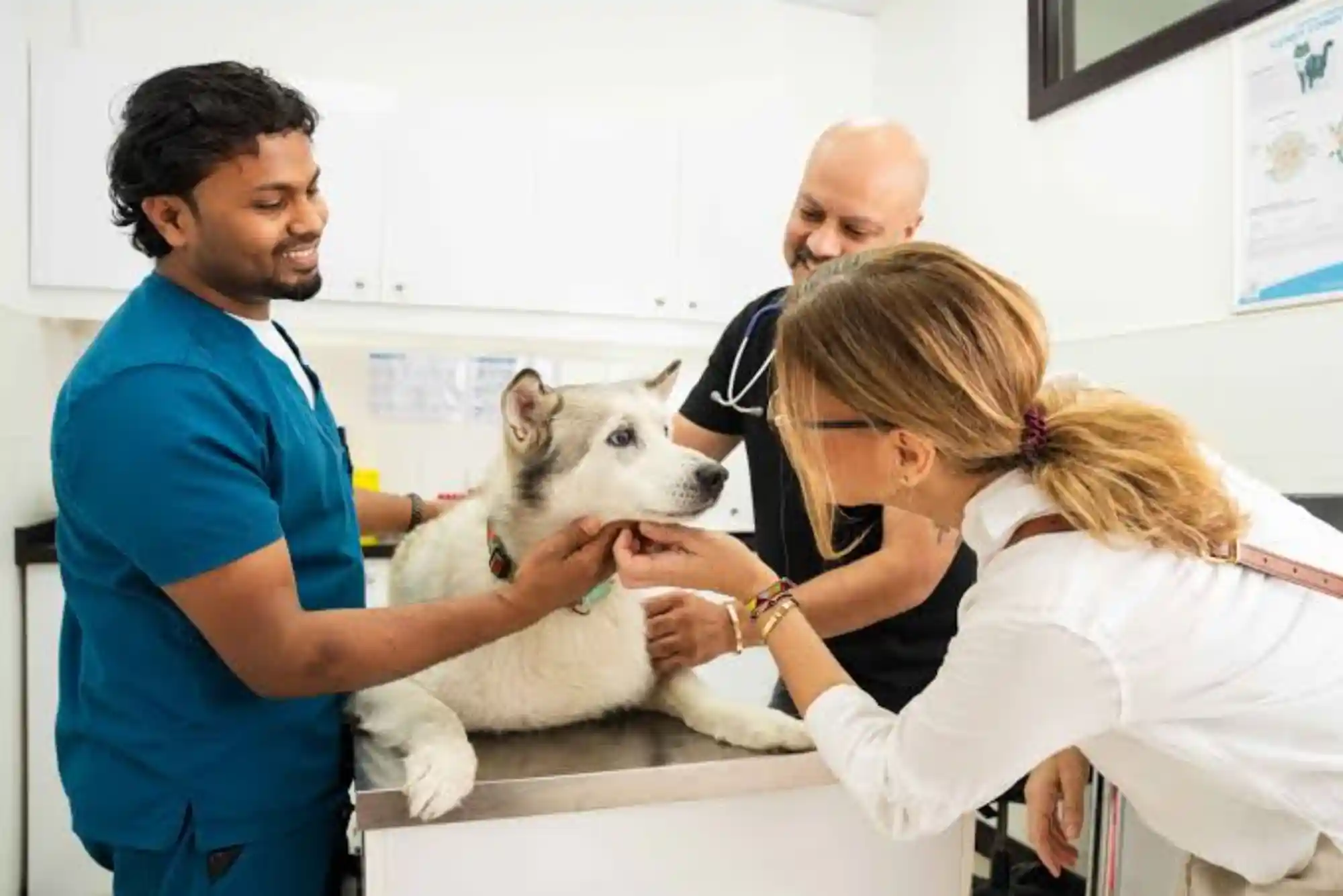
As a responsible pet owner, you must remain extremely vigilant and monitor your animals closely during and after a sandstorm. Respiratory distress can manifest in subtle ways initially, making it vital to recognize the early clinical signs before they become critical. Watch out for persistent coughing, heavy hacking, wheezing sounds, and noticeable difficulty while breathing. If you notice your cat or dog breathing with an unusually rapid rate or using their abdominal muscles to push air out, seek help immediately. Blue-tinged gums, excessive drooling, extreme lethargy, and sudden refusal to eat or drink are also major red flags indicating oxygen deprivation. Cats are particularly adept at hiding signs of illness, so look for subtle behavioral changes like open-mouth breathing or unusual posture adjustments. Documenting these symptoms and contacting your trusted local veterinarian right away can save your pet’s life during severe weather crises. Never attempt human medications or over-the-counter cough syrups, as many common drugs are highly toxic to domestic animals.
Special Care for Brachycephalic and Vulnerable Pets
Certain categories of pets require an extra layer of specialized care when severe dust storms sweep across the UAE landscape. Brachycephalic breeds possess short nasal passages and elongated soft palates, severely restricting their natural ability to filter dusty air. For these flat-faced pets, even brief indoor exposure to poor air quality can trigger severe respiratory distress and heat stress simultaneously. Birds are another highly sensitive group due to their incredibly efficient and complex respiratory systems, which make them extremely prone to toxic air pollutants. If you own pet birds, ensure their cages are kept far away from windows, and consider draping a damp, breathable sheet over the enclosure during intense dust events. Senior pets, animals recovering from surgery, and those diagnosed with chronic bronchitis or feline asthma need continuous indoor monitoring. Setting up a dust-free recovery zone in a quiet, temperature-controlled room ensures these fragile animals remain sheltered from environmental irritants. Consulting your veterinarian beforehand for an emergency management plan provides immense peace of mind during unpredictable weather seasons.

Dietary and Hydration Support for Lung Health
Maintaining optimal hydration is a powerful yet often overlooked strategy for supporting your pet’s respiratory health during dusty weather. Dry desert winds and heavy indoor air conditioning can dehydrate your pets rapidly, thickening the mucus in their airways. Thickened mucus traps dust particles more efficiently, leading to persistent blockages and irritation in the bronchial tubes. Ensure that fresh, clean drinking water is readily available in multiple locations throughout your home at all times. Adding a bit of low-sodium bone broth to their water bowl can encourage reluctant cats and dogs to increase their daily fluid intake. High-quality omega-3 fatty acid supplements, sourced from fish oil, can also provide fantastic anti-inflammatory support for your pet’s respiratory system. Always discuss any new dietary supplements with your veterinarian to ensure they match your pet’s specific health profile and nutritional needs. Proper nutrition strengthens your pet’s overall immune system, helping their bodies naturally combat environmental stressors brought on by seasonal sandstorms.
Preparing an Emergency Pet Respiratory Kit
Being thoroughly prepared before a severe sandstorm strikes ensures you can handle unexpected health crises with confidence and speed. Assemble a dedicated pet emergency kit and store it in an easily accessible location within your household. Your kit should include your veterinarian’s direct phone number, the address of the nearest 24-hour emergency animal hospital, and your pet’s medical records. Include sterile saline eye drops to safely flush out irritating dust particles from your pet’s eyes after brief outdoor exposure. Pack clean microfiber towels, pet-safe wet wipes, and an extra supply of any prescription medications your pet takes regularly for asthma or allergies. If your veterinarian has prescribed an inhaler or spacer device for your pet’s chronic respiratory condition, check that it is fully stocked and functional. Having these essential items organized in advance eliminates panic and allows you to deliver immediate first-aid comfort while preparing for a veterinary visit.
Frequently Asked Questions
Can I use human dust masks on my dog during a sandstorm?
Human dust masks are generally not recommended for pets because they do not fit animal facial structures correctly. Ill-fitting masks can restrict airflow, cause severe anxiety, or create a suffocation hazard if the pet tries to chew or swallow them. Instead of using masks outdoors, focus on keeping your pets strictly indoors during peak pollution periods and limit outdoor exposure to absolute necessities.
How long after a sandstorm is it safe to walk my dog outside?
It is generally recommended to wait until the local Air Quality Index returns to safe, moderate levels, which usually takes between 24 to 48 hours. Dust particles settle slowly and can easily be kicked back up into the air by light breezes long after the initial storm clouds clear. Always check official UAE environmental monitoring reports before resuming your normal outdoor walking routine.
What should I do if my cat has an asthma attack during a dust storm?
If your cat experiences an asthma attack, immediately move them to a calm, air-conditioned room away from any potential drafts or dust sources. Administer prescribed rescue inhalers immediately if your veterinarian has provided an emergency action plan for feline asthma flare-ups. If the breathing difficulty persists for more than a couple of minutes, rush your cat to the nearest emergency veterinary clinic right away.
Do indoor air purifiers really help protect pets from desert dust?
Yes, high-quality air purifiers equipped with true HEPA filters are exceptionally effective at removing microscopic dust, dander, and allergens from indoor air. Running these devices continuously in rooms where your pets spend most of their time significantly reduces their daily inhalation of harmful particulate matter. This creates a safe, breathable indoor haven that protects their sensitive respiratory tracts during severe weather seasons.
Conclusion
Protecting your four-legged family members from the harsh environmental realities of the UAE requires foresight, preparation, and consistent daily care. By keeping your pets indoors, maintaining clean air filtration systems, and recognizing the early warning signs of respiratory distress, you ensure their long-term health and happiness. Do not wait for the next major weather advisory to stock up on supplies or check your home ventilation systems. Take action today by assessing your pet’s indoor environment, upgrading your air filters, and consulting your veterinarian for personalized respiratory care advice. Share this guide with fellow pet parents across the UAE to help build a safer, more informed community for all our furry companions.